https://quello.msu.edu/broadbandgap/
Background & Motivation
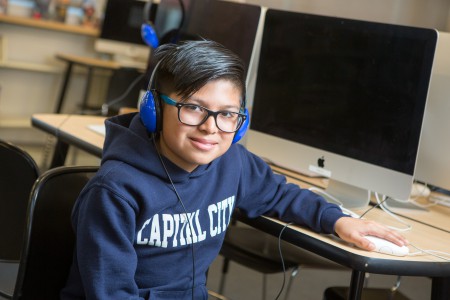
Broadband and Student Performance Gaps is the result of a project designed to understand the repercussions of poor or no home Internet access on student performance and the associated costs to society. The Quello Center at Michigan State University (MSU) and Merit Network, in December 2018, brought together the K12 Citizen Science Working Group, a small group of stakeholders from Michigan school districts. From this group, three Intermediate School Districts (ISDs) volunteered to work with the Quello Center and Merit Network to develop and pilot an approach to measure rates of home connectivity among their students and explore the relationship between connectivity and student performance.


 with broadband internet. Think of this as the modern-day equivalent of rural electrification. The Massachusetts technology company Akamai used to produce an annual report on internet speeds. It hasn’t done so since 2017 but here’s what that last report showed: Many of Virginia’s cities that year had internet speeds that zipped along at more than 20 megabits per second. Many parts of rural Virginia, though, had internet speeds that crept along in the single digits – slower than many countries in the developing world. If you want to be blunt about it, much of rural Virginia operates at Third World levels. This isn’t just a problem for technology companies or people who want to see the latest cat video; even your most traditional employer has a front office that probably has to do some work over the internet.